
CW Practice
CW Studio: Find Your Morse Code Rhythm
A walkthrough of CW Studio: browser-based receiving, sending, speed and spacing settings, and passive Morse code listening.
BUILD • TEST • LEARN
Antenna experiments, repairs, and practical radio notes. Explore the original Ham Radio Rookie archive alongside articles from VFComms.
CW Practice
A walkthrough of CW Studio: browser-based receiving, sending, speed and spacing settings, and passive Morse code listening.
Field notes
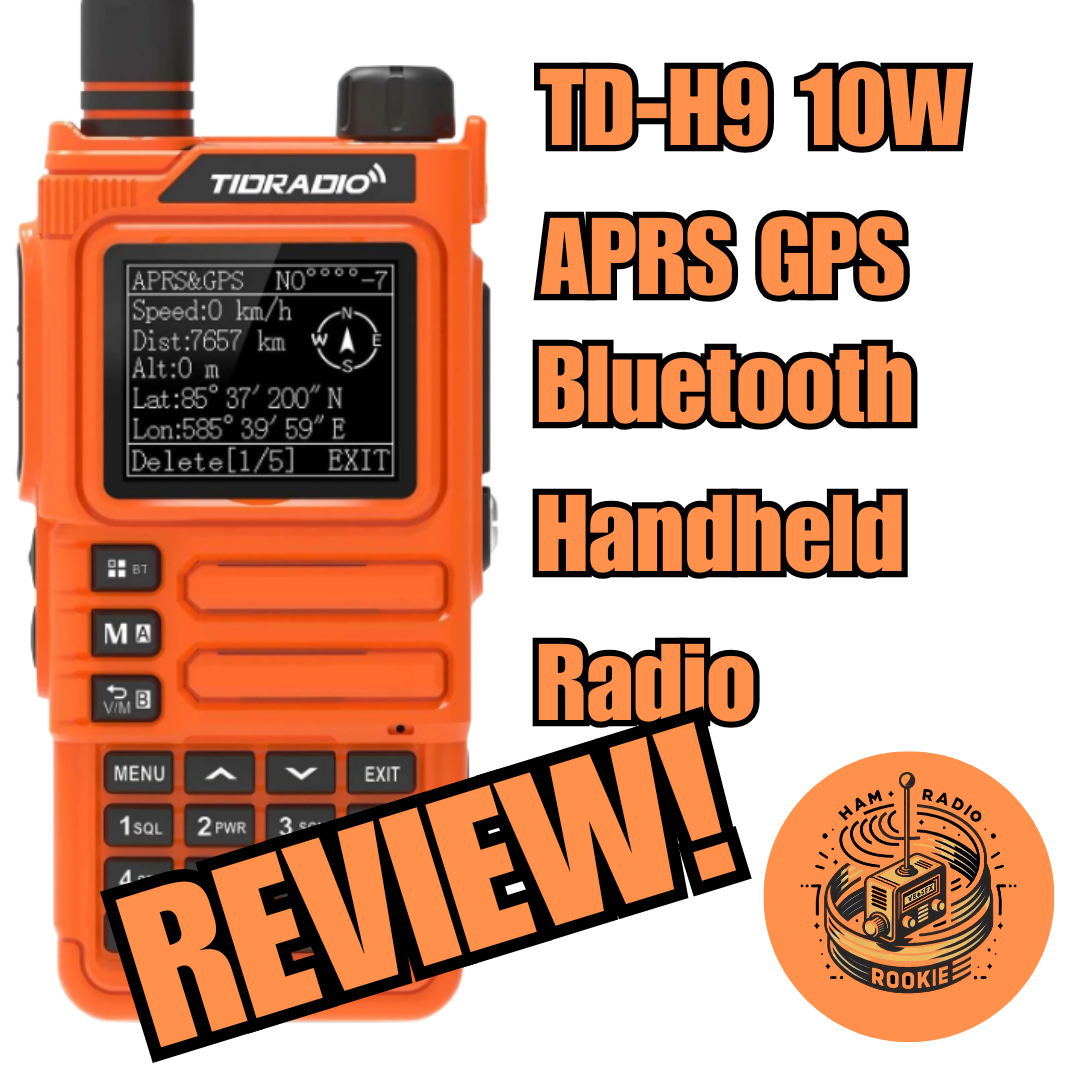
TIDRADIO H9 Review: A Rugged Tri-Band Handheld With Serious Potential In the world of amateur radio, finding a handheld transceiver that balances affordability, ruggedness, and advanced features can be difficult. Many…

Field notes
Radio may feel like magic, but behind every clear transmission is a fascinating blend of physics, engineering, and practical everyday use. This month, we’re diving into the science of radio waves and exploring why one…
Antenna experiments
If you’ve had an HF antenna up for more than one Canadian winter, you know: time is not kind to wire, coax, or connectors. From UV and wind load to corrosion and ice storms, even the best antennas have a shelf life. But…
At the workbench
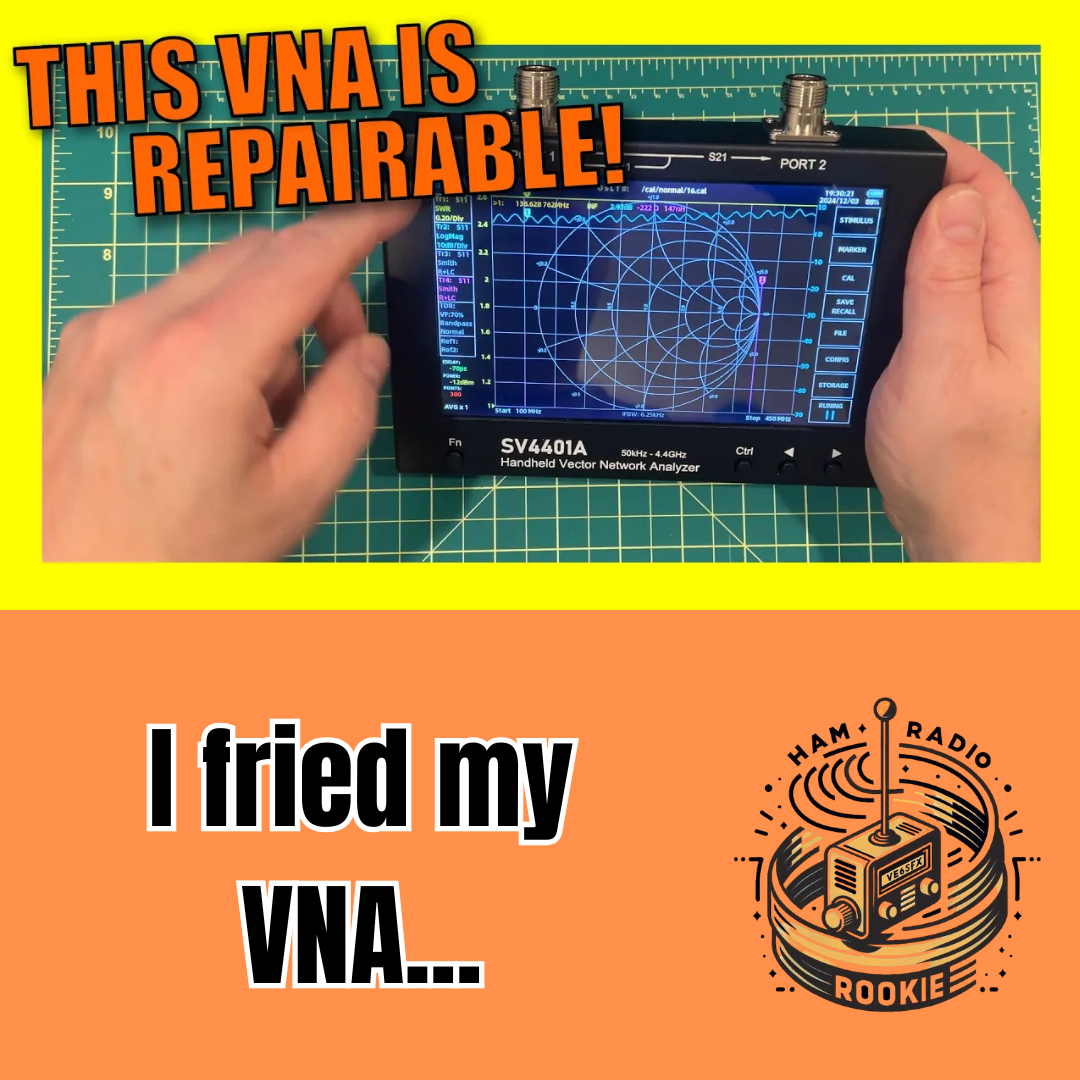
There are two types of people in ham radio: People who have fried a piece of equipment People who will fry a piece of equipment I officially joined group #1. The Moment Everything Went Wrong It wasn’t dramatic. No loud…

Field notes
Even experienced operators can run into signal issues. When your setup isn't performing as well as expected, a systematic approach to troubleshooting can make all the difference. Here are some in-depth tips to help…

Field notes
There’s a question every ham has asked at some point: “How far will my radio actually reach?” And usually, the answer is… it depends. But what if you could go beyond guessing—and actually predict your coverage before…
Antenna experiments
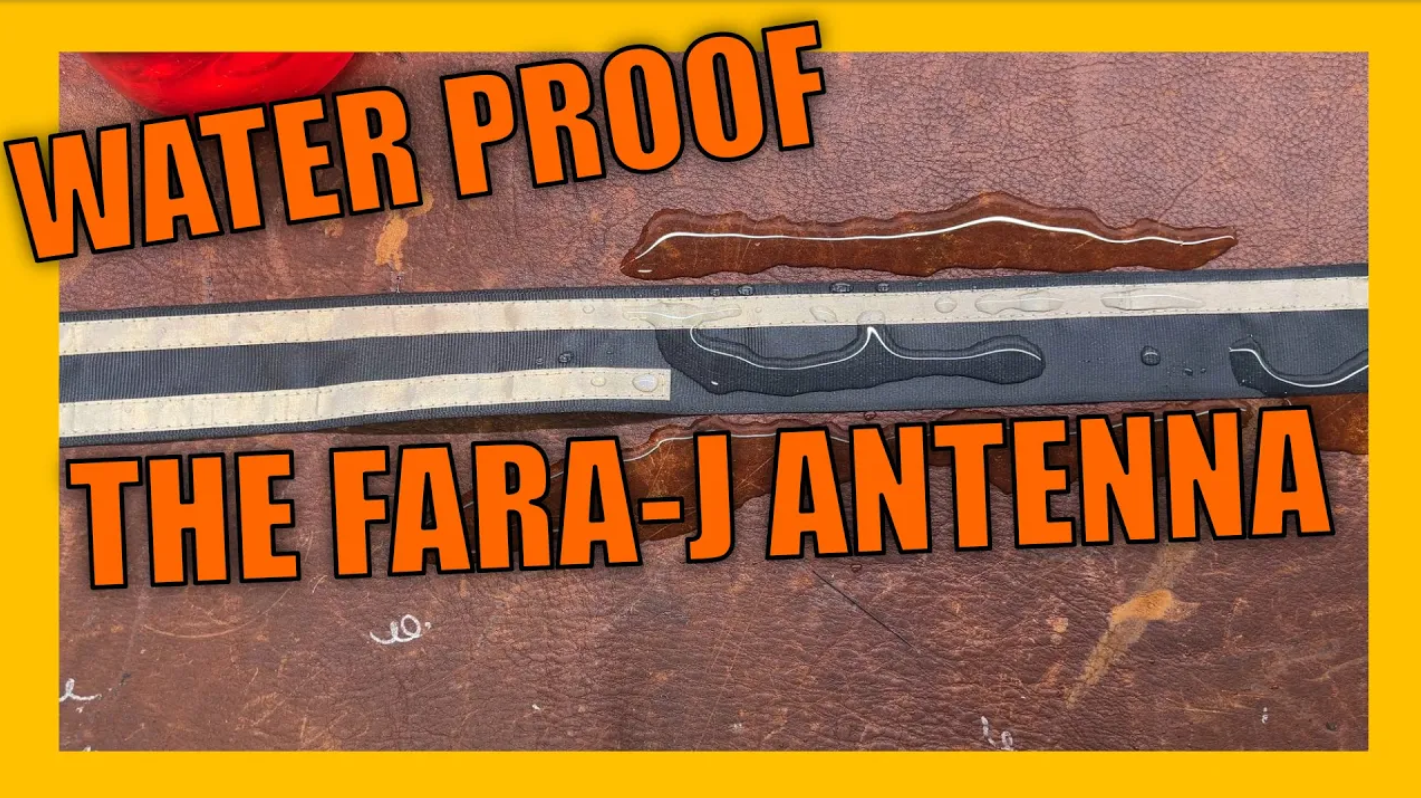
If you’re using a Fara-J antenna outdoors, waterproofing is one of the most important steps you can take to protect your setup. While the antenna itself is designed for portability and efficiency, its connection points…
Field notes
Top 5 Ham Radio Tips Even the Pros Might Miss No matter how experienced you are in amateur radio, there are always a few tricks that can improve your setup, signal, and overall experience. Here are five often-overlooked…
Field notes
If you’re itching to stretch your radio’s legs beyond your local repeater—welcome to the 10-meter band (28.000–29.700 MHz). It’s a gem for new hams, especially when the sun’s doing its solar thing. Here’s a quick…
Antenna experiments
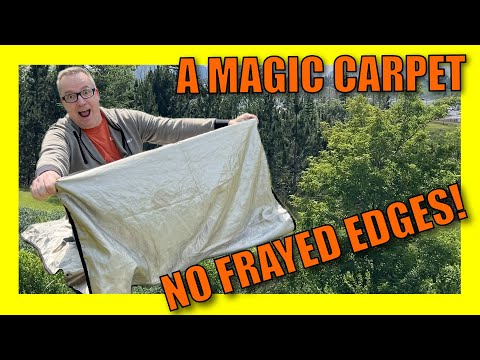
Ever get tired of wrestling with radials every time you set up a portable station? Me too. That’s why when I saw the video about the Magic Carpet portable counterpoise, I got pretty excited. It might not be perfect, but…
At the workbench
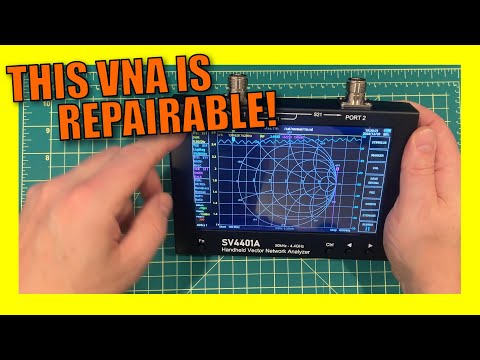
I’ll admit it—I did something dumb. One little zap of static electricity, and suddenly my Vector Network Analyzer (VNA) wouldn’t turn on. For those new to ham radio, a VNA is one of those pieces of equipment that feels…
Antenna experiments
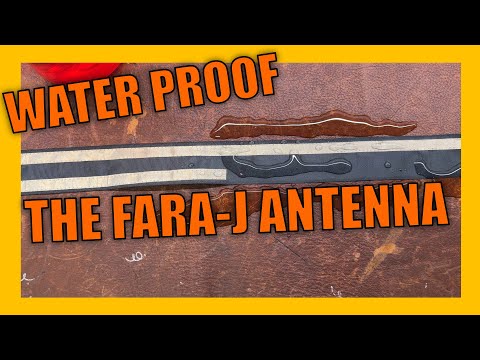
The latest video from Ham Radio Rookie shows you how to weatherproof your Fara-J antenna with simple, cost-effective materials. Perfect for hams who want their gear to endure the elements—without fuss or fancy gear. Why…
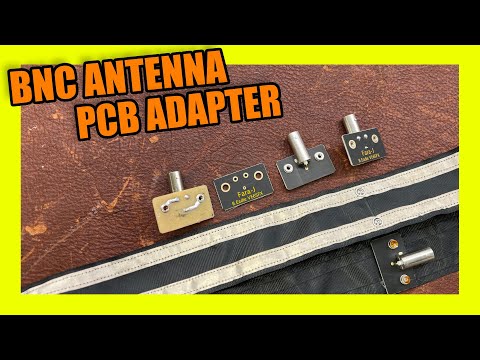
At the workbench
https://www.pcbway.com/ Home Homepage https://www.patreon.com/HamRadioRookie https://www.patreon.com/HamRadioRookie/shop/fara-j-2m-70cm-antenna-plans-88511?source=storefront Jewelers saw: https://amzn.to/44cAu0b…
Antenna experiments
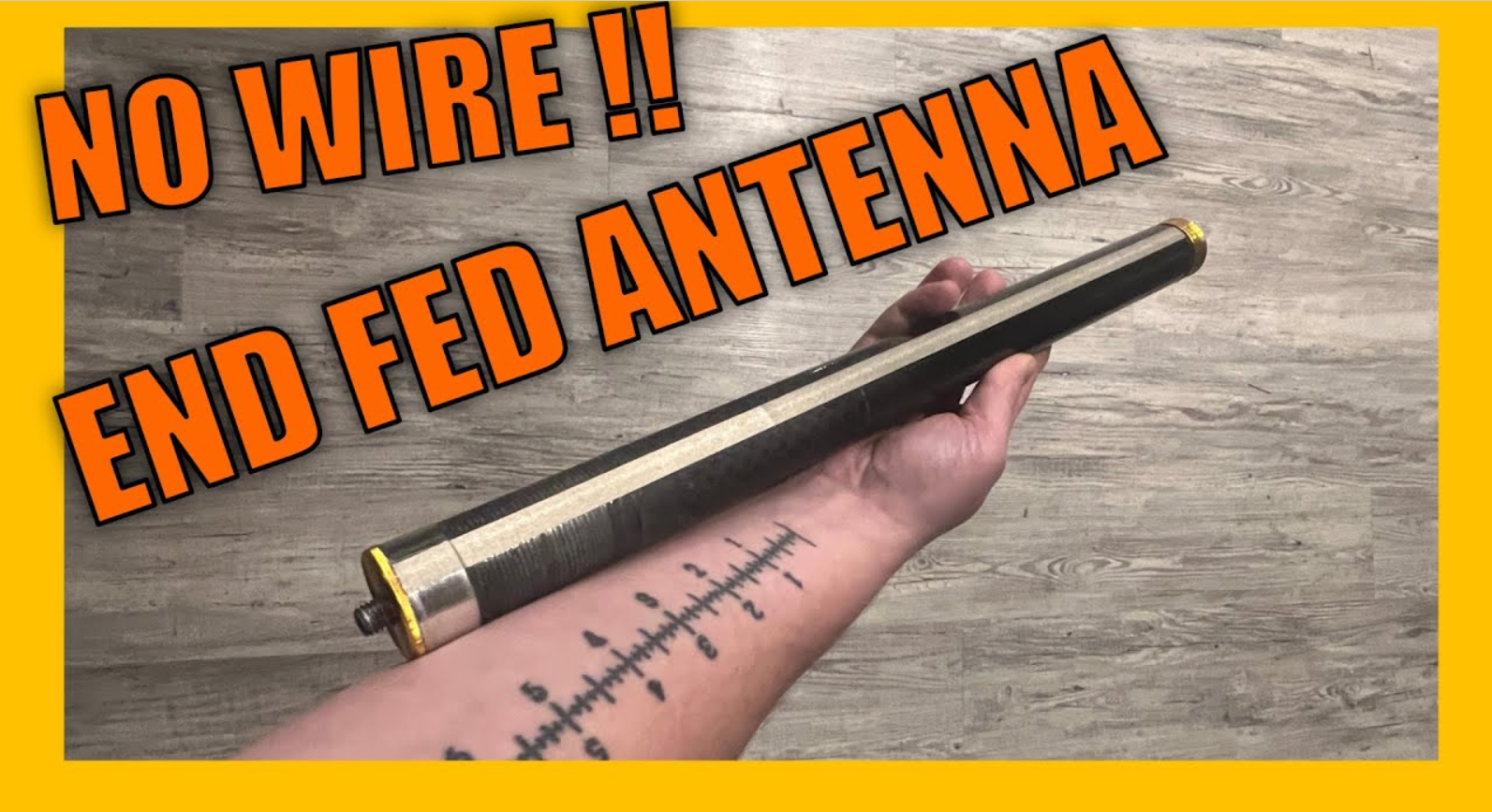
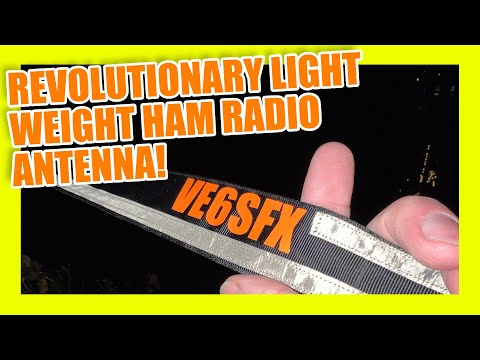
I’ve come up with a way to make a antenna from faraday fabric. Yes you read that right. Fabric! This is the ultimate SOTA POTA IOTA antenna. It handles wet conditions, rolls up into a pocket, and weighs in at a 1.4oz.…
Antenna experiments
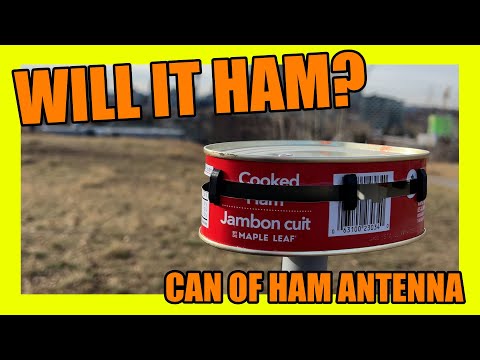
Welcome to a new kind of adventure on Ham Radio Rookie! In our latest series, “Will it Ham?”, we push the boundaries of traditional ham radio practices and dive into the world of creative DIY. The series kicks off with…
Antenna experiments
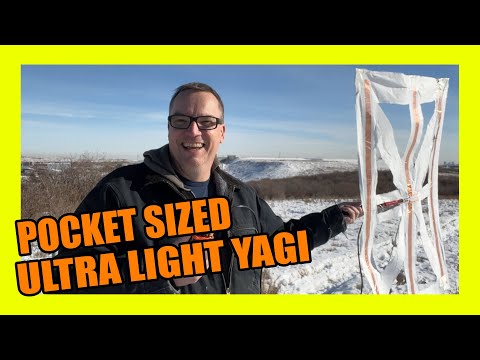
Unleashing the Potential of a Pocket-Sized Yagi Welcome to a new chapter in the world of amateur radio – where portability meets performance in the form of a DIY 2M Yagi antenna that’s no bigger than what could fit in…
Antenna experiments
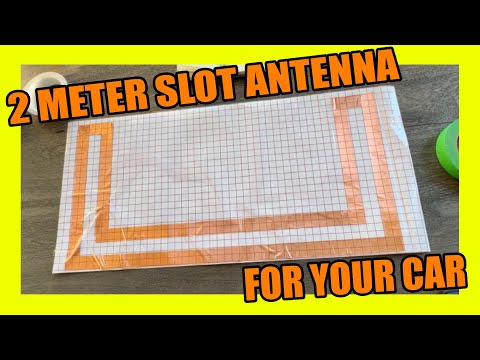
Introduction : Have you ever looked at your car’s sunroof and thought, “That could be an antenna!”? Probably not. But that’s precisely the kind of unconventional thinking that led to my latest DIY project: a stealth…
At the workbench
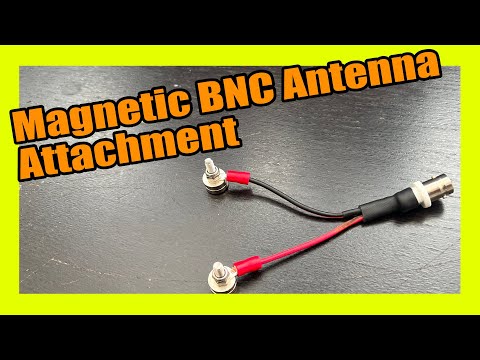
Following the enthusiastic response to my duct tape antenna video, I’m back with a new tutorial! Today, I’ll show you an easier way to create mag mount BNC connectors for your ham radio antennas. This method leverages…
Antenna experiments
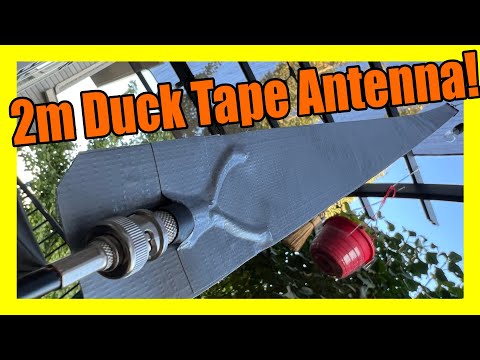
In the realm of ham radio, there’s always a thrill in building your own gear, especially when it comes to antennas. The journey of creating a functioning antenna from scratch not only sharpens your understanding of…
Antenna experiments
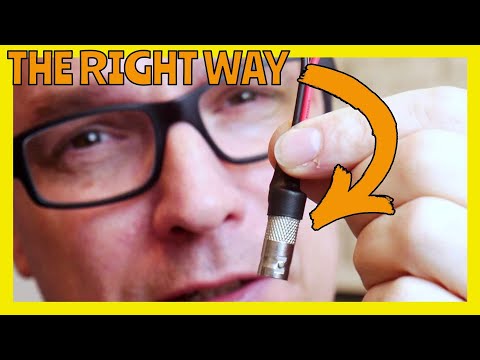
Ever wondered if there’s a better way to connect to your J-Pole antenna? Dive into this tutorial where we explore a cleaner, more efficient method using a BNC connection. As ham radio enthusiasts, we’re always on the…
At the workbench
SMA connectors I love and hate. Here is my solution to fixing them. A quick laser cut piece that press fits onto the connector. Below is a PDF with my design if you have a laser. Make them for your club and make…

At the workbench
In this video, we tackle a common issue for every ham radio enthusiast – how to keep your HT stable and upright in a cup holder. If you’re tired of your HT bouncing around while you’re trying to tune into the 2-meter or…
Radio basics
For many, Morse Code may seem an artifact of a bygone era, but in our world of amateur radio it is a vibrant and essential form of communication. Even in our digital age, Morse Code has retained its significance due to…
Radio basics
In the realm of ham radio communication, understanding the language of Q codes is akin to holding a passport to a global community. Initially devised by the British government in the early 20th century to facilitate…
Radio basics
The North Atlantic Treaty Organization (NATO) Phonetic Alphabet, also known as the International Radiotelephony Spelling Alphabet, is a universally accepted system for assigning words to the letters of the English…

From the archive
Hello! My name is Ben Eadie and I’ve recently entered the fascinating world of ham radio. A few months ago, I earned my Canadian Basic License with honors. I see tremendous opportunities for others, both new and…